

Driveways take a daily beating from car tyres, oil stains, mould, weather, and constant foot traffic. Over time, grime and stains can make even the best-laid concrete or pavers look tired and neglected.
That’s where pressure cleaning comes in. But how much pressure do you actually need to clean a driveway safely and effectively?
Whether you’re considering DIY or professional driveway cleaning in Melbourne, understanding the right pressure levels and techniques can make all the difference between restoring your driveway’s appearance and causing unintentional damage.
Refined Exterior Cleaning is a trusted Melbourne-based company specialising in safe, high-quality pressure washing services for residential and commercial properties. Read on to find out all about pressure cleaning your driveways!
Why Pressure Matters When Cleaning a Driveway
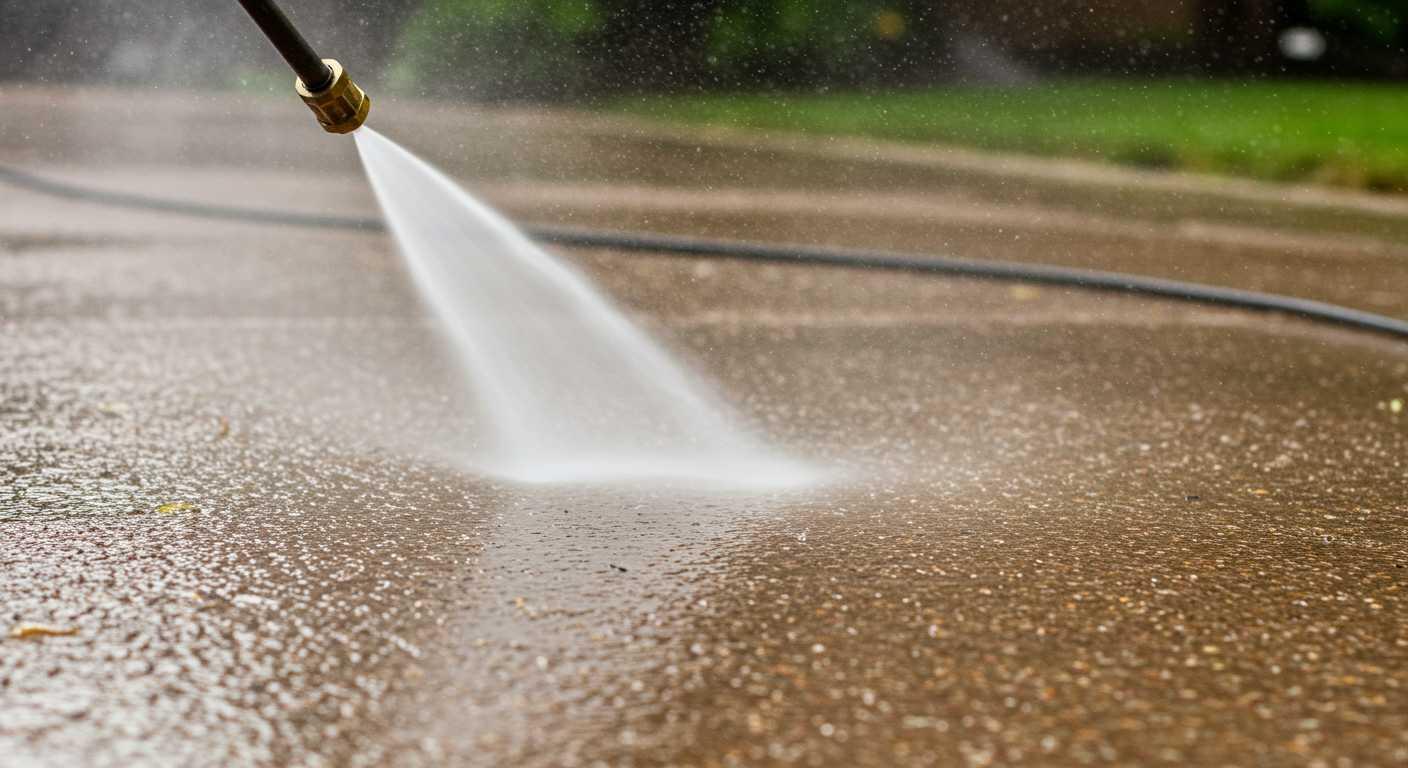
Pressure washing uses high-powered water jets to blast dirt, oil, mould, and debris away. However, too little pressure won’t clean effectively, while too much can etch concrete, loosen pavers, or damage surfaces.
That’s why it’s important to match the right pressure (measured in PSI – pounds per square inch) with the surface material and condition of the driveway.
Recommended PSI Levels for Driveway Cleaning
1. Concrete Driveways
Recommended Pressure: 2,500–3,000 PSI
Concrete is durable, making it suitable for higher pressures. However, using more than 3,500 PSI without proper technique or nozzle control can cause surface wear or pitting. The ideal PSI range for removing dirt, mildew, tyre marks, and oil stains is 2,500 to 3,000.
Pro Tip: Use a fan tip or surface cleaner to distribute the pressure evenly and avoid streaking.
2. Brick or Paver Driveways
Recommended Pressure: 1,500–2,500 PSI
Bricks and pavers are more porous and often have jointing sand between them. Excessive pressure can dislodge the sand or crack the surface. A lower PSI paired with the correct nozzle and detergent can effectively clean without damage.
Note: After cleaning, you may need to reapply joint sand or sealing to preserve the paver structure.
3. Asphalt Driveways
Recommended Pressure: 1,200–2,000 PSI
Asphalt is softer and more sensitive to high pressure. Anything above 2,000 PSI can wear away the surface, especially older or weathered driveways. Clean asphalt with care, using lower pressure settings and wider spray patterns.
Factors That Influence Pressure Choice
Several variables determine the ideal pressure for driveway cleaning:
- Surface material (concrete, brick, asphalt, etc.)
- Age and condition of the driveway
- Type and severity of stains
- Use of cleaning detergents
- Type of nozzle or surface cleaner used
While higher pressure can remove tough stains, it’s not always the safest or most efficient method, especially on delicate surfaces.
Should You Use Detergents with Pressure Cleaning?
Yes. Detergents or degreasers can break down tough grime and oil, allowing you to clean more effectively with lower pressure. Pre-treating the driveway with a biodegradable cleaner reduces the need for aggressive blasting, minimising surface damage.
Professional services like Refined Exterior Cleaning often use a combination of soft chemical application and controlled pressure washing to achieve deeper, longer-lasting results.
The Risk of Using Too Much Pressure
- Etching or scarring concrete
- Dislodging pavers or grout
- Stripping protective sealants
- Driving water into cracks or expansion joints
- Injury to the operator or nearby surfaces
Pressure washers are powerful tools. Without proper control, it’s easy to cause expensive damage. That’s why many homeowners hire a professional pressure cleaning team with the right equipment and expertise.
Benefits of Hiring a Professional
- Accurate PSI selection for each surface type
- Use of commercial-grade equipment and eco-friendly detergents
- Avoidance of surface damage
- Time-saving and thorough results
- Optional sealing and finishing for extended surface protection
At Refined Exterior Cleaning, we deliver driveway cleaning solutions across Melbourne that balance effective pressure with surface safety. We assess each driveway’s needs and customise our approach, so you get outstanding results without compromise.
Revitalise Your Property with Precision and Care
The amount of pressure needed to clean a driveway depends on the material, condition, and the type of grime or stains present.
While 2,500 to 3,000 PSI is generally ideal for concrete, pavers, and asphalt, it requires a more careful approach. Using the right pressure and method is crucial to protect your investment and achieve long-lasting cleanliness.
Whether you’re dealing with slippery moss, stubborn oil stains, or general discolouration, a professional approach ensures your driveway is cleaned safely and thoroughly.
Restore Your Driveway the Right Way
Are you looking for expert driveway pressure cleaning in Melbourne? Refined Exterior Cleaning offers tailored solutions to bring your driveway back to life, safely, efficiently, and with stunning results.
Call us today or request a free quote to see how we can help transform your outdoor surfaces.
Frequently Asked Questions
Can too much pressure damage my driveway?
Yes. Excessive pressure can etch concrete, dislodge pavers, or strip away asphalt layers. Using the correct PSI based on the surface type is crucial for safe and effective cleaning.
Do I need to use detergent when pressure washing a driveway?
While not always necessary, using a driveway-safe detergent helps loosen tough stains like oil or mould, allowing for better results with lower pressure and reducing the risk of surface damage.
How often should I pressure clean my driveway?
Most driveways benefit from a thorough clean once every 12–18 months, but the frequency can vary depending on traffic, weather exposure, and nearby vegetation.